Stuck staring at a blank character sheet, with that blinking cursor mocking you? We've all been there. A great fantasy name does more than just sound cool; it’s the seed that your character's whole story can grow from. It’s the very first word of their epic tale, setting the stage for everything to come.
Forget endlessly clicking some generic name generator that spits out random, meaningless words. This guide is your ultimate weapon, packed with 10 powerful ways to create names that are memorable and full of meaning. We'll give you the tools to build fantasy character name ideas that feel real, connect with your audience, and make your creations unforgettable. It's time to move beyond random and start naming with purpose.
This list is for all kinds of creators. Whether you're a writer building a new world, a Dungeon Master filling a campaign with heroes and villains, a streamer creating a cool online identity, or a cosplayer bringing a character to life, these tricks will help you find the perfect name. To really get good at this, it helps to understand the basic literary elements of storytelling that make any story awesome.
We'll dive into everything from names that sound like they come from an ancient language to names inspired by nature. We’ll even show you how to mix different cultures to get some really unique results. You’ll find easy-to-use formulas, cool examples, and quick tips you can use right away.
Ready to find a name that feels like it was forged in magic? Let's start the quest.
1. Elven Names with Linguistic Roots
One of the best ways to get authentic fantasy character name ideas is to think about language. Elven names, like the ones from J.R.R. Tolkien, aren't just random letters. They're built from made-up languages that have their own rules and meanings. That's why names like Legolas ("green-leaf") and Galadriel feel so real and full of history. By creating a few simple sound rules, you can make a whole culture's worth of names that sound like they belong together.

Why This Method Works
This trick helps you stay consistent, which is super important for building a believable world. When names follow a pattern, it tells your audience they all come from the same place. For some amazing examples of names with deep, built-in languages, check out Brandon Sanderson's Cosmere works. He's a master at this stuff.
How to Create Your Own Elven Names
Follow these simple steps to start building your own naming system:
- Make Some Sound Rules: Decide on a few core sounds. Elven languages often use soft consonants (like L, R, S, N, M) and smooth vowels (A, E, I, O, U). Try to avoid harsh sounds like G, K, or X unless you're making a different kind of elf.
- Create Meaningful Bits: Give simple meanings to short syllables. For example, 'ael' could mean 'star,' 'thil' could mean 'silver,' and 'an' could mean 'swift.'
- Combine and Balance: Mix two or three of these syllables to make a name. Using our examples, Ael'thil could mean "Silver Star," and Thil'an could mean "Swift Silver." This makes naming new characters quick and easy.
Pro Tip for Streamers & Cosplayers: When your name has a built-in meaning, you have instant lore to share with your audience. You can say your character's name, 'Faelan,' means 'Spirit Wolf,' adding a cool layer of depth to who you are.
This approach makes sure your fantasy characters have names that aren't just cool but also mean something in your world. If you need a jump-start, try this helpful online elf name generator for inspiration.
2. Descriptive Character Names Based on Traits
Another cool trick for creating memorable fantasy character name ideas is to put the meaning right into the name. This means using names that describe a character's personality, looks, or destiny. Authors like George R.R. Martin and J.K. Rowling are pros at this. Think about Severus Snape (sounds severe, right?) or Jon Snow (makes you think of his northern home and maybe his innocence). This method gives your audience a first impression that gets deeper as the story goes on.
Why This Method Works
This trick creates a strong, immediate link between the character and who they are. It’s like a little hint or clue about their personality, making the name a part of them, not just a label. When a name reflects a trait, it helps the audience remember the character and their role in the story. To see this done perfectly, look at the character names in the A Song of Ice and Fire series.
How to Create Your Own Descriptive Names
Use these tips to make names that are full of meaning and personality:
- Think Metaphorically, Not Literally: Instead of naming a fast character "Swift," try a name that makes you think of speed, like Corvus (Latin for crow) or Aella (Greek for whirlwind). Metaphors just sound cooler.
- Use Adjectives and Nouns: Mix simple descriptive words with common name endings. A character with a fiery temper could be named Aiden (which means 'little fire'), or you could make up something like Ignis or Pyralia.
- Balance Subtle and Obvious: A name shouldn't be a riddle, but it shouldn't be too obvious either. Blackhand is a classic, straightforward example. A more subtle name might be Melanthios, which comes from Greek words meaning 'dark flower.'
Pro Tip for Streamers & Cosplayers: A descriptive name is a great branding tool. If you cosplay a tough, stone-skinned golem character named 'Roc,' your name instantly tells everyone what you're about. It’s an easy and effective way to show your audience who you are without saying a word.
This method helps you create fantasy character name ideas that are woven into the very soul of your characters, making them stick with your audience.
3. Historical or Mythological Inspired Names
Using history and mythology is a great shortcut for creating fantasy character name ideas that feel important and familiar. These names already come packed with stories that people recognize. Names like Guinevere, Lancelot, Achilles, or Hector instantly bring to mind legendary heroes and epic tales. This gives your character an immediate sense of importance without you having to explain a thing.
Why This Method Works
This trick uses stories people already know to create a quick connection with your audience. When you name a tough warrior Hector, you're borrowing all the cool vibes of the Trojan hero. This familiarity makes characters more memorable and their worlds feel more real, like they're a lost part of our own history. Fantasy authors like J.R.R. Tolkien often used inspiration from Norse and Anglo-Saxon legends to make their worlds feel ancient and epic.
How to Use Historical and Mythological Names
Follow these tips to use timeless names in your own fantasy world:
- Add a Fantasy Twist: Change a historical name just a little to make it your own. For example, the Roman name 'Cassius' could become 'Kassian,' or the mythological 'Persephone' could be shortened to 'Seph.' This keeps the classic feel while making it new.
- Check the Cultural Context: Be aware of where the name comes from. Using a name from a specific culture ties your character to that history, so make sure it fits the world you're building. A little research can prevent you from making a weird match.
- Combine and Blend: Mix parts of different names or cultures. You could use a Celtic first name with a Roman-sounding last name to suggest a character from a border town or mixed culture. This adds a cool layer of world-building right in the name.
Pro Tip for Streamers & Cosplayers: When you cosplay a character with a mythological name like 'Artemis,' you can easily theme your streams or posts around things like archery, the moon, or hunting. This gives you a ton of content ideas that connect directly to your character's identity.
This method gives you a list of powerful, awesome fantasy character name ideas that feel both epic and easy to understand. If you love the age of knights and legends, an Arthurian name generator can give you some great inspiration.
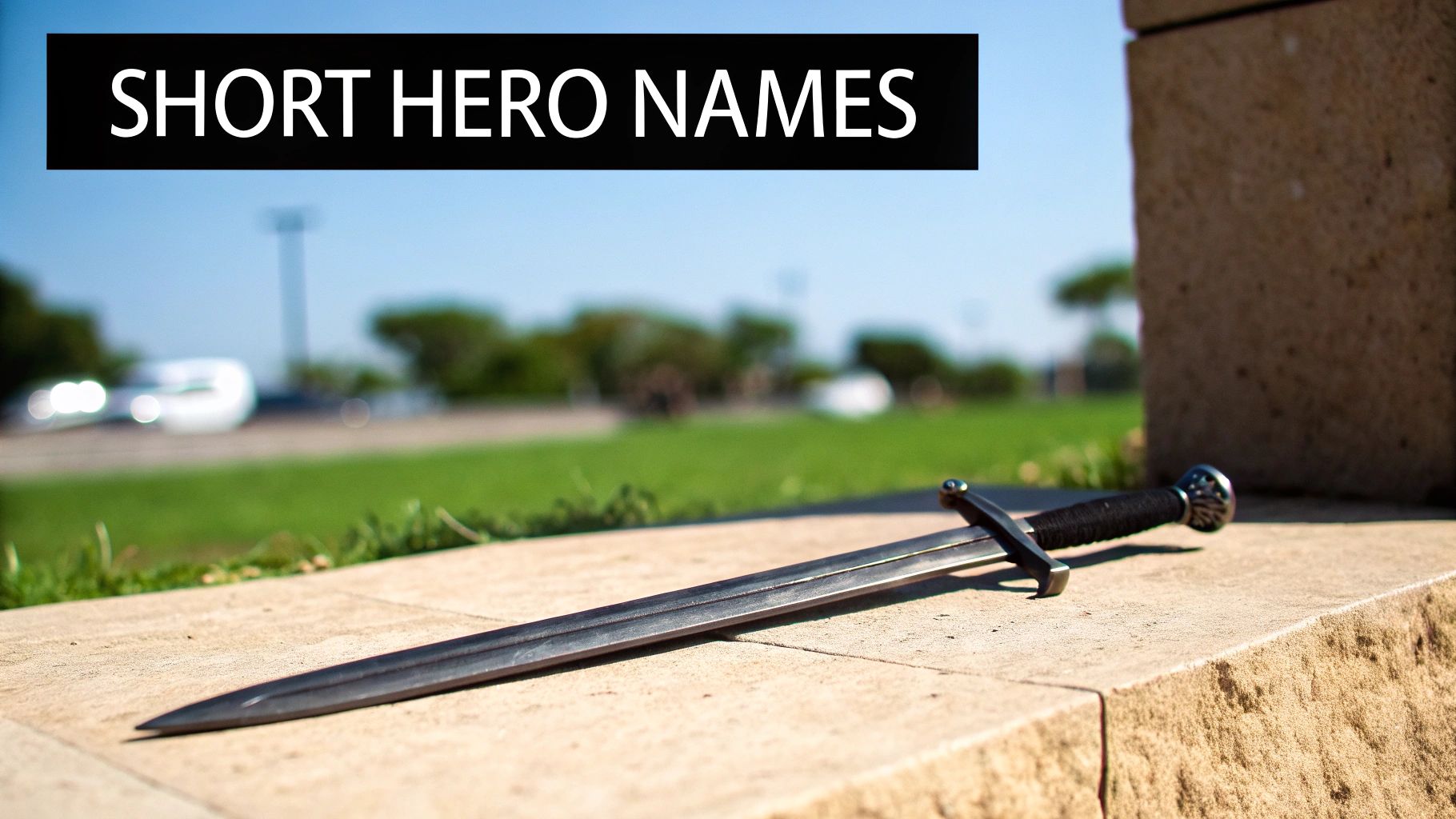
4. Invented Monosyllabic or Short Names
Sometimes, the best fantasy character name ideas are the simplest. Short, invented names—often just one or two syllables—are punchy, easy to say, and stick in your head. This style cuts through the complicated names you often see in fantasy, giving you something direct that feels both fresh and familiar. Characters like Frodo, Conan, Thor, and Dune are instantly recognizable, partly because their names are so short and powerful.
Why This Method Works
Short names are awesome because they're easy for people to remember and say. This makes your character feel more approachable, which is a big plus for writers, game designers, and content creators. Iconic names like these are often used by comic book creators and modern fantasy writers like George R.R. Martin, who know the power of a simple but cool-sounding name.
How to Create Your Own Short Names
Here’s how you can create your own short, impactful fantasy names:
- Start with Strong Consonants: Begin with powerful consonants like B, D, G, K, or T to give the name a solid, grounded feel. Names like Bram, Dax, or Kael have an immediate impact.
- Combine Unusual Letters: Mix common sounds with less common ones to create something that feels original but is still easy to say. Think of names like Zane, Jett, or Vex. The trick is to be fresh but not confusing.
- Think About How it Sounds: What feeling does the name give you? A name like Gloom has a very different vibe than a name like Spark. Use the sound of the name to hint at your character's personality or what they do in the story. You can learn more about how to generate fantasy names with specific tones.
Pro Tip for Streamers & Cosplayers: A short, punchy name is a branding superpower. It's easy to fit on a logo, shout out in a chat, and remember for hashtags. A name like 'Rook' or 'Jinx' is way more likely to stick with a new viewer than a long, complicated fantasy name.
This method is a quick and effective way to create fantasy names that are perfect for main characters, memorable villains, or anyone who needs to make a big first impression.
5. Occupational or Title-Based Names
Sometimes the most powerful fantasy character name ideas come from what a character does. Naming a character based on their job, rank, or role in society can make them instantly recognizable. Names like Ranger, Smith, or Sage immediately tell your audience about the character's skills and their place in the world. It’s a shortcut that quickly gives them context.
Why This Method Works
This approach firmly plants your character in their world. Geralt of Rivia is a memorable name, but calling him "The Witcher" defines his entire life and how people see him. This trick is great for creating classic character types or for showing the everyday, working-class side of a fantasy world. It gives you a great starting point for storytelling right from the first introduction.
How to Create Your Own Occupational Names
Follow these steps to create names based on roles and titles:
- Choose a Defining Role: What is the single most important job or title your character has? This could be a normal job like "Blacksmith" or a unique, world-specific role like "Soul-Binder."
- Use it as a Name or Title: The role can be the whole name (like Ranger), a last name (like Fendrel Smith), or a title that comes after their first name (like Alistair the Warden).
- Add a Descriptor: Combine the title with a word to add more personality. Instead of just "The Knight," you could have "The Ashen Knight" or "The Knight of Whispers." This adds a bit of mystery and makes them stand out.
Pro Tip for Streamers & Cosplayers: An occupational name gives you a clear theme for your content or costume. If your character is 'The Alchemist,' your streams could be about crafting games, and your cosplay could include bubbling potions and cool old books. It creates a complete and immersive brand.
Using this method makes your characters feel like a real, functioning part of your world. If you're looking for ideas for warrior-type roles, check out this helpful knight name generator.
6. Nature and Element-Inspired Names
Getting ideas from the natural world is a classic way to create cool fantasy character name ideas. These names connect a character to a specific place, element, or animal, creating an instant mental picture and hinting at their personality or powers. Think of names like Storm, Ember, or Ridge—they immediately suggest power, passion, or strength. This is super effective for characters whose identities are tied to their home or their magic, like the wolf-loving Arya Stark or the dragon-queen Daenerys Targaryen.

Why This Method Works
This trick creates a powerful, instant link between a character's name and who they are. It’s like a storytelling shortcut that gives your audience a quick idea of the character's personality. This method is famously used by the creators of Avatar: The Last Airbender, where names often reflect a character's elemental powers and cultural background.
How to Create Your Own Nature-Inspired Names
Use these tips to create names that feel grounded and meaningful:
- Connect to Local Plants and Animals: Base names on the plants or animals from your character's home. A character from a deep forest might be named Asher (from an Ash tree) or Bren (from the Irish word for raven). This makes them feel more authentic.
- Combine Elements with Suffixes: Take a simple nature word and add a made-up ending to make it unique. For example, "stone" could become Stonemir or Stonia. "Willow" could turn into Willowen or Willara.
- Use Subtle Animal Links: Instead of naming a character "Wolf," use a name that means wolf, like Conan (hound, wolf) or Lupa (she-wolf). This creates a more interesting connection to the animal's traits, like loyalty or fierceness.
Pro Tip for Streamers & Cosplayers: A name like 'Kaelen Riverstone' gives you a great backstory to share. You can explain that your family has guarded the 'Kaelen River' for centuries, and the 'Riverstone' is a symbol of their strength. It's an easy way to build your character's lore as you go.
This method helps your fantasy characters have names that are not just memorable but also full of symbolic meaning. For an extra boost of creativity, you can use this elemental name generator to explore more options.
7. Patronymic and Family-Based Naming Systems
Basing your fantasy character name ideas on family history adds a powerful layer of realism and culture. Patronymic systems, which create a last name from a father's (or mother's) first name, instantly show who someone is related to. Names like the Scandinavian Erickson ("son of Erick") or the Irish O'Brien ("descendant of Brian") tell a story about a character's family before their adventure even starts. This method makes a world feel real by showing how families are built right into the names.
Why This Method Works
This trick automatically creates connections between characters, building a web of relationships that can create drama and conflict. When you meet a character named Brenna Karlsdottir, you immediately know her father is Karl. This is a powerful tool for huge stories like George R.R. Martin's A Song of Ice and Fire, where family names and who's related to who is central to the entire plot.
How to Create Your Own Patronymic Names
Follow these steps to develop a family-based naming system for your world:
- Make a Clear Rule: Decide on a consistent ending or beginning for the names. For sons, you might use -son, -sen, or -vic. For daughters, you could use -dottir or -ia. For example, the son of a man named Roric could be Alaric Roricson, and his daughter could be Elara Roricsdottir.
- Create Regional Differences: Just like in the real world, different parts of your fantasy setting can have different naming rules. A northern clan might use the -sen ending, while a southern kingdom might use a prefix like Mac', meaning "son of." This adds cool details to your world.
- Think About Matriarchal Systems: Don't just stick to fathers. A culture that honors its women as leaders might use names based on the mother. For instance, the child of a queen named Lyra could be known as Kaelen Lyran or Seraphina Lyrasdottir.
Pro Tip for Streamers & Cosplayers: When playing a character from a big family, like a Stark or Lannister, a patronymic name gives you an instant story. You can introduce yourself as 'Kael, son of Jorn,' which immediately tells people your family and background. It's easy-to-follow lore for your audience.
This system is perfect for creating believable family trees and a sense of history. To get a feel for how these names work, you can check out this Scandinavian name generator for ideas.
8. Alliterative and Phonetically Pleasing Names
Some of the most memorable fantasy character name ideas don't come from complicated lore but from a simple, powerful tool: sound. Alliteration (when words start with the same sound) and good flow create names that are catchy, rhythmic, and easy to remember. Think of iconic names like Bilbo Baggins, Severus Snape, and Luna Lovegood; they're popular because they're so fun to say and hear. This trick makes a name stick in someone's head without any effort.
Why This Method Works
Our brains are naturally good at spotting patterns, and sound is a big one. A name with alliteration or a nice rhythm is just naturally easier to remember than a random one. This trick, made famous by comic book writers and authors like J.K. Rowling, gives characters a larger-than-life feeling and makes their names seem important or special.
How to Create Your Own Alliterative Names
Making a name that sounds good is more of an art, but these steps can help:
- Pick a Core Sound: Start with a single letter or sound you want to focus on. For example, let's choose 'R'.
- Brainstorm First and Last Names: Think of first names that start with 'R' (Rowan, Rhys, Ronan) and last names that start with 'R' (Redwood, Ryder, Rook). Then mix and match them to create names like Ronan Rook or Rowan Ryder.
- Test the Rhythm: Say the name out loud. Does it flow well? The combination of syllables is just as important as the matching letters. Hermione Granger doesn't have alliteration, but it has a beautiful sound that makes it memorable.
- Use it Wisely: Alliteration is powerful, so use it for your main characters or people you want to stand out. If you use it too much, your world might start to feel a little like a cartoon.
Pro Tip for Streamers & Cosplayers: An alliterative name is awesome for branding. It's easy for your audience to say, spell, and search for. A name like "Cora the Corsair" or "Vaelen the Valiant" is instantly catchy and helps you build a strong, memorable online identity.
This approach gives you fantasy character name ideas that are not just unique but also really good at grabbing attention and sticking in your audience's memory. For more inspiration, you can try this rhyming name generator to find sounds that go well together.
9. Surname-Based Full Names with Deep Lore
In many big fantasy stories, a last name is more than just a family name; it’s a piece of history, a prophecy, or a sign of destiny. This way of creating fantasy character name ideas puts deep lore right into the character’s identity. Names like Daenerys Targaryen or Harry Potter immediately tell you they're connected to a powerful family or a special fate. This makes the last name just as important as the first. This trick connects your character to the world’s history from the moment you meet them.
Why This Method Works
Using a last name that's full of lore makes a character instantly more interesting. It creates built-in drama, expectations, and relationships that can push the story forward. When a name like Lannister is said in A Song of Ice and Fire, it carries the reputation of an entire family, changing how other characters act. This method is a powerful storytelling tool because the name itself becomes part of the character's journey.
How to Create Your Own Lore-Based Surnames
Follow these steps to create last names that carry the history of your world:
- Define the Surname's Origin: Decide what the name means. Does it come from a place (like of the Glade, Riverwood), a famous event (like Dragonsbane, Oathbreaker), a family job (like Fletcher, Smith), or a magical power (like Spellsorrow, Sunstrider)?
- Connect it to the Plot: Weave the last name's meaning into your story. Maybe a character named Blackwood is destined to fight a shadow monster, or someone named Ironhand is the only one who can use a legendary weapon.
- Reveal the Meaning Slowly: Don't explain everything at once. Let the audience slowly figure out the full meaning and history behind a character's last name. This can create cool mysteries and satisfying plot twists.
Pro Tip for Streamers & Cosplayers: A last name with a story gives you a great hook. You can tell your audience, "My character, Kaelen Starsfall, has this name because my ancestors were said to be born from a fallen meteor." This simple detail instantly makes your character more interesting and gets your community asking questions.
This method turns a simple name into a key part of your character's identity and your world's lore. It's a classic trick for a reason: it works great for creating memorable and deeply connected fantasy characters.
10. Cross-Cultural and Hybrid Fantasy Names
Modern fantasy worlds are more diverse than ever, and character names can show that. Cross-cultural or hybrid names mix elements from different real-world cultures, languages, or fantasy styles to create something fresh and new. This helps you move beyond fantasy worlds where everyone from one place is the same. It gives characters complex identities that feel modern and real. Names like Daenerys (a mix of Greek-style sounds and made-up Valyrian) or Yennefer of Vengerberg (Slavic-inspired with a fantasy twist) show how cool this can be.
Why This Method Works
This trick instantly tells you that a character has a complex family background or comes from a world where different cultures meet. It’s a great tool for building an inclusive world where you can represent a wider range of people naturally. For amazing examples of worlds built on mixing cultures, check out the books by N.K. Jemisin. Her names often reflect incredibly deep and diverse histories.
How to Create Your Own Hybrid Names
Follow these steps to create meaningful cross-cultural fantasy character name ideas:
- Choose Your Core Influences: Pick two or more real-world or fantasy cultures that fit your character's story. For example, you might mix Japanese and Norse styles for a warrior from a remote clan with a mixed background.
- Identify Naming Elements: Break down common names from the cultures you chose into their core sounds or meanings. For example, you could combine the Japanese "Kaito" (ocean) and the Norse "Erik" (eternal ruler) to create a name like Kairik or Eito.
- Be Respectful: Do a little research on the cultural meaning of the name parts you use. The goal is to create something that feels authentic, not like a stereotype. Avoid mashing sounds together without understanding what they mean, as this can lead to awkward or even offensive results.
Pro Tip for Streamers & Cosplayers: A hybrid name is a fantastic storytelling opportunity. You can explain how your character 'Zafira Al-Sadiq' has a name mixing Arabic and Swahili roots because her parents came from two different seafaring nations that joined together. This gives your audience an immediate, interesting story hook.
Using this method helps create a diverse cast of characters whose names tell a story before they even say a word. For inspiration on real names from around the world, a resource like Behind the Name can be a huge help.
Comparison of 10 Fantasy Name Types
| Item | Implementation complexity | Resource requirements | Expected outcomes | Ideal use cases | Key advantages |
|---|---|---|---|---|---|
| Elven Names with Linguistic Roots | High | Linguistic planning, phonetic rules, research | Authentic, consistent elven-sounding names | High-fantasy epics, culture-focused worldbuilding | Phonetic consistency; scalable cultural conventions |
| Descriptive Character Names Based on Traits | Low–Moderate | Creative naming, cultural awareness | Immediate character clarity and symbolism | Allegorical stories, clear-character introductions | Quickly communicates essence; easy to remember |
| Historical or Mythological Inspired Names | Moderate | Historical/myth research | Instant gravitas and familiar resonance | Legends, epic retellings, historically influenced worlds | Cultural depth; recognizable associations |
| Invented Monosyllabic or Short Names | Low | Sound testing, brevity refinement | Highly memorable, marketable names | Action-focused heroes, cross-language casts | Strong recall; simple pronunciation |
| Occupational or Title-Based Names | Low–Moderate | Worldbuilding on roles and hierarchies | Clear social function and role signaling | Guilds, structured societies, functional NPCs | Communicates purpose; systematizable naming |
| Nature and Element-Inspired Names | Low–Moderate | Knowledge of flora/fauna, symbolic mapping | Evocative imagery and implied traits | Elemental characters, nature-themed factions | Visual symbolism; thematic consistency |
| Patronymic and Family-Based Naming Systems | High | Rule creation, genealogy mapping | Believable lineage and social structure | Dynastic sagas, clan-based societies | Heritage signaling; realistic family networks |
| Alliterative and Phonetically Pleasing Names | Low | Phonetic testing, stylistic editing | Memorable, lyrical names suited to oral delivery | Children’s literature, audiobooks, iconic characters | High memorability; pleasing rhythm |
| Surname-Based Full Names with Deep Lore | High | Extensive lore, gradual exposition planning | Surnames convey backstory, plot hooks | Mystery-driven plots, legacy-based narratives | Rich worldbuilding; foreshadowing potential |
| Cross-Cultural and Hybrid Fantasy Names | High | Cultural research, sensitivity readers | Diverse, unique names reflecting blended identities | Inclusive worlds, multicultural characters | Uniqueness; better representation when done right |
Give Your Character a Legendary Introduction
You've explored the misty forests of Elven languages, dug up names from history and myth, and even created new ones from scratch. This journey through the world of fantasy character name ideas has given you more than just lists; it's given you a powerful toolkit for creating something amazing. The perfect name isn't just a label. It's the first hint of a backstory, the echo of a personality, and the foundation for an epic tale.
Remember, the goal is to find a name that feels like it was meant to be, as if it was destined for your character all along. A name like "Faelan Swiftwood" doesn't just sound Elven; it suggests he's quick, connected to the forest, and has lived among ancient trees. Likewise, a simple, strong name like "Grit" immediately tells your audience that this character is tough and never gives up. The real magic happens when the name and the character become one.
Your Naming Quest: Key Takeaways
As you go forward, keep these key ideas in mind. They're your map for navigating the huge world of naming possibilities.
- Context is King: The best names come from the world they belong to. An Orc chieftain from a volcanic wasteland will have a very different name than a magical sorcerer from a floating city. Always connect your name choices to the lore, culture, and place you’ve created.
- Sound Creates Feeling: How a name sounds when you say it is just as important as what it means. Alliterative names like "Rowan Rook" are catchy and fun, while harsh, guttural sounds might be better for a mean villain. Say the names out loud to feel their rhythm and impact.
- Combine and Customize: Don't feel like you have to stick to just one method. The most unique and interesting fantasy character name ideas often come from mixing different tricks. Take a nature-inspired word, add a family-based ending, and give it a historical twist. Mix, match, and invent until you create something truly original.
Putting Your New Name into Action
Now, it's time to play around. Don't be afraid to make a long list of possibilities and try them out. Write a short scene with your character, have them meet someone new, and see how the name feels in conversation. For creators sharing their work online, this is a super important step.
Pro Tip for Creators: When you introduce a new character on your YouTube channel, Twitch stream, or cosplay account, the name's first impression is everything. A strong introduction can get your audience hooked on the character's story right away. Think about how the name will look in a title, sound when you say it, or appear on a character sheet.
The name you choose is your character's first step into the world. It’s their legacy in the making. Whether you've picked a name that's full of ancient lore or one that is short, punchy, and modern, you've given your creation an identity. You've turned an idea into a person, a hero, a villain, or a legend. Now, all that's left is to tell their story and give them the grand entrance they deserve.
Ready to give your character's new name the epic debut it deserves? A custom, studio-quality video intro from Priyansh Animations can bring your creation to life with cinematic flair, hooking your audience from the very first second. Turn your new character into a legend by visiting Priyansh Animations today.